
Cultural Tours
Living South Africa — not a single traditional picture
Ekala treats culture as something lived and changing: language, religion, migration, food, music, art, identity, family, neighbourhood and modern life. Traditional practices can be important, but they are not the only form of authentic South African culture.
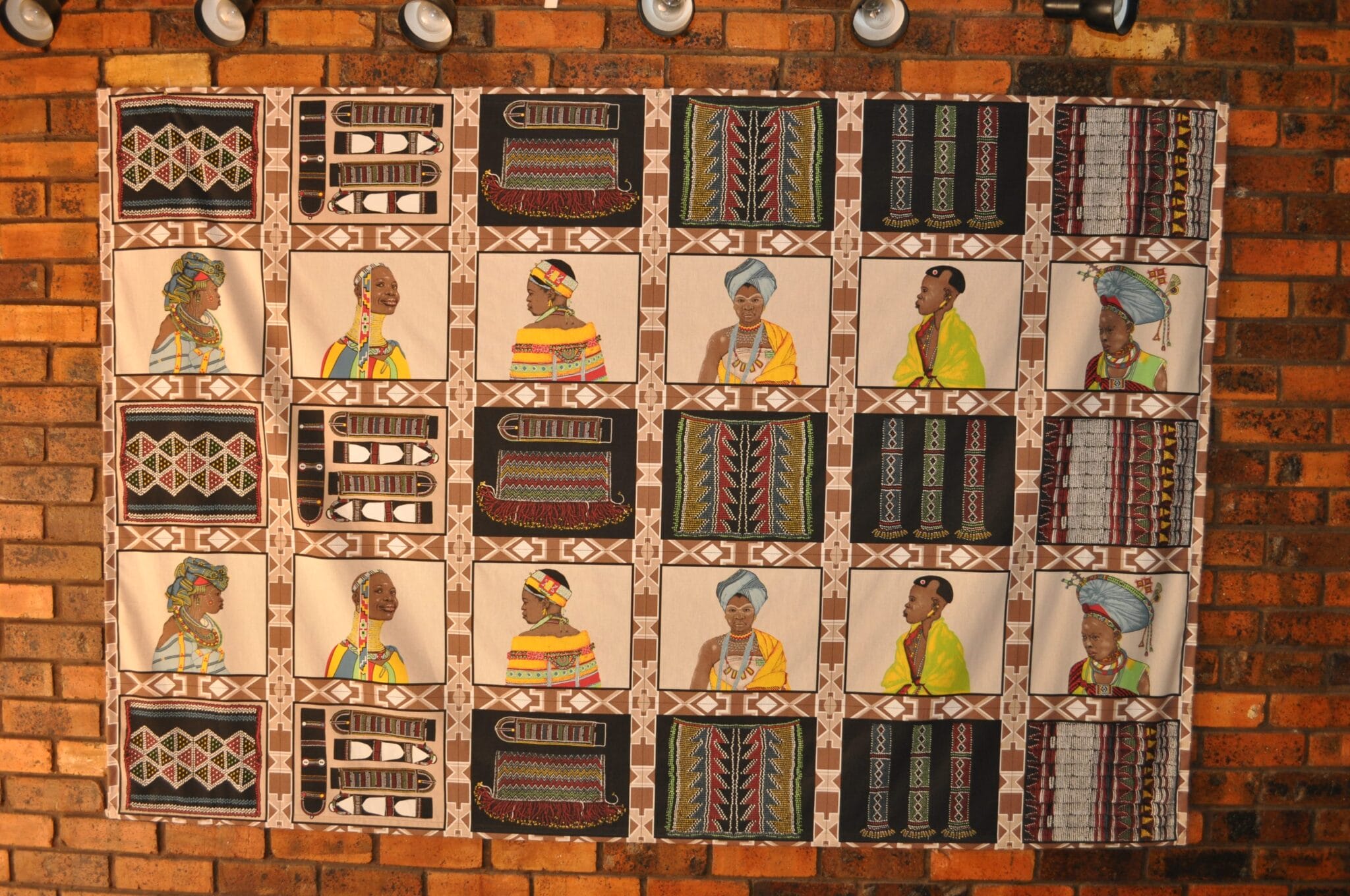
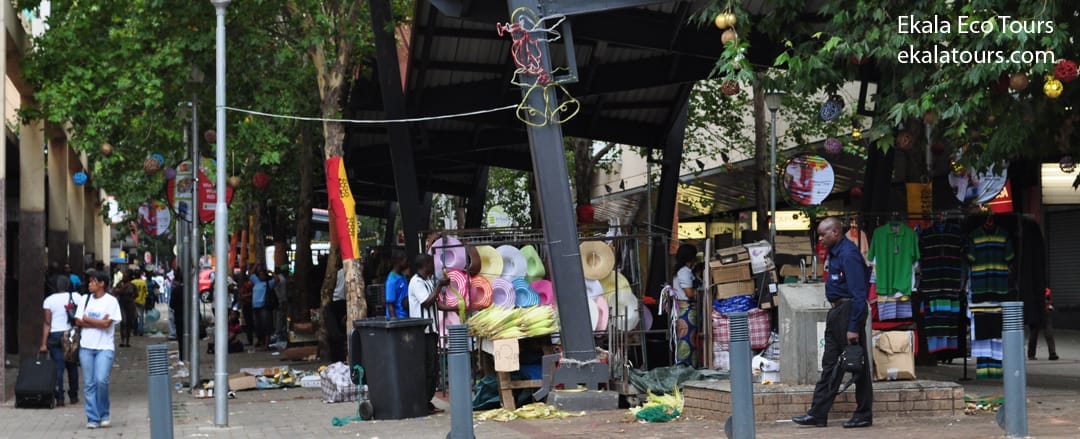

At a glance
Culture is wider than a traditional village
People do not stop being cultural when they live modern urban lives
South Africans may combine inherited customs, religion, global influences, multiple languages, modern employment, technology and changing family structures. Ekala therefore avoids presenting traditional dress or reconstructed village life as the only “authentic” culture.
A modern Johannesburg resident is not culturally less real than somebody participating in a structured traditional programme.
Johannesburg brought cultures together
Gold and labour changed the cultural geography of the region
The mining economy drew African workers from across South Africa and neighbouring territories under powerful economic and legal pressures, while European immigration formed a different stream into the growing city. Indian, Jewish and many other communities also became part of Johannesburg’s development.
This concentration of people, languages and identities is one reason Johannesburg is so important for understanding South Africa culturally as well as historically.
Soweto and Alexandra are not interchangeable

Each community requires its own history and way of touring
Soweto is enormous and is mainly understood by vehicle, with walking where it adds real value. Alexandra is denser and its focused experience is primarily on foot with resident expertise and taxi support.
Neither should be reduced to a generic “township tour”, and neither should be presented simply as a place to view poverty.
Kliptown and local lived knowledge

Everyday living conditions need context, not spectacle
Where time and route allow, Ekala can use a resident Kliptown guide to help clients understand living conditions that differ greatly from more tourist-facing parts of Soweto. Malcolm or Janet remains with the clients rather than handing them over and disappearing.
Local performers may also earn a living through music or performance. If clients choose to stop and listen, Ekala advises that reasonable compensation is appropriate; payment for genuine work is different from indiscriminate charity.
Lesedi — purpose-built but still useful
Structured presentation is not the same as pretending it is an untouched historic village
Lesedi allows several cultural traditions to be introduced and compared within one programme. Its value lies in that comparison and interpretation, not in claiming that the different groups have always lived together there in the form presented to visitors.
Ekala can prepare clients before the programme so they understand what they are seeing and how it relates to living South African culture outside the site.
Responsible cultural touring
People are not exhibits
Photography, community encounters and difficult living conditions require respect. Ekala does not hide inequality or hardship, but neither uses it as entertainment. Resident expertise is used because it adds genuine knowledge, not as decorative “community participation”.
The aim is for the visitor to leave with fewer stereotypes and a more complicated understanding of South African society.
Language and identity
Multilingual South Africa is part of the cultural story
Johannesburg’s multilingual character reflects the movement and interaction of people from many communities. Language can connect to family, place, education, religion and identity without reducing a person to one fixed cultural category.
Ekala uses language diversity as part of understanding living South Africa rather than as a list of official languages to memorise.
Johannesburg Cultural
Explore the multilingual, migrant and constantly changing cultural city created around the gold economy.
Soweto Cultural
Understand Soweto through history, community, identity and living culture rather than a single tourist image.
Responsible Cultural Ethics
See the principles Ekala applies when people, communities and living conditions form part of a tour.
Plan a cultural day around what you want to understand
Tell Ekala which people, communities, traditions or present-day questions interest you. Historical, cultural and contemporary strands can be combined rather than treated as compulsory separate tours.