
Johannesburg Historical Tour
Private Context-Led City Experience
Johannesburg is a city built on gold, but its history is far more complex than mining alone.

Johannesburg Historical Tour essentials
Historical context


Its development is tied to migration, labour systems, capital, segregation, urban growth, political resistance, inequality, cultural change, and the making of modern South Africa. Few cities explain the country’s twentieth-century development as clearly as Johannesburg.
Ekala Eco Tours approaches Johannesburg as a historical landscape, helping guests understand how the city became central to South Africa’s story.
Ekala’s private Johannesburg tours can be structured as a half-day, full-day or part of a wider Gauteng journey. Historical depth remains central, but the route can also include culture, contemporary Johannesburg, Soweto, Constitution Hill, mining history and other themes according to your interests and available time.
Understanding Johannesburg Through History
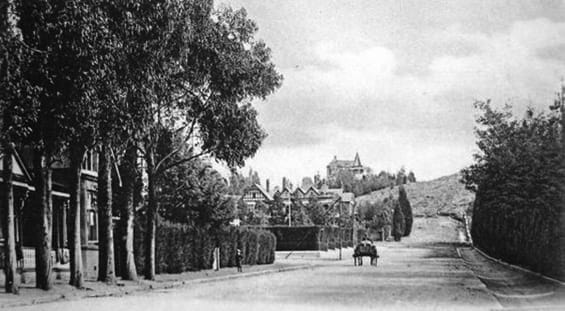
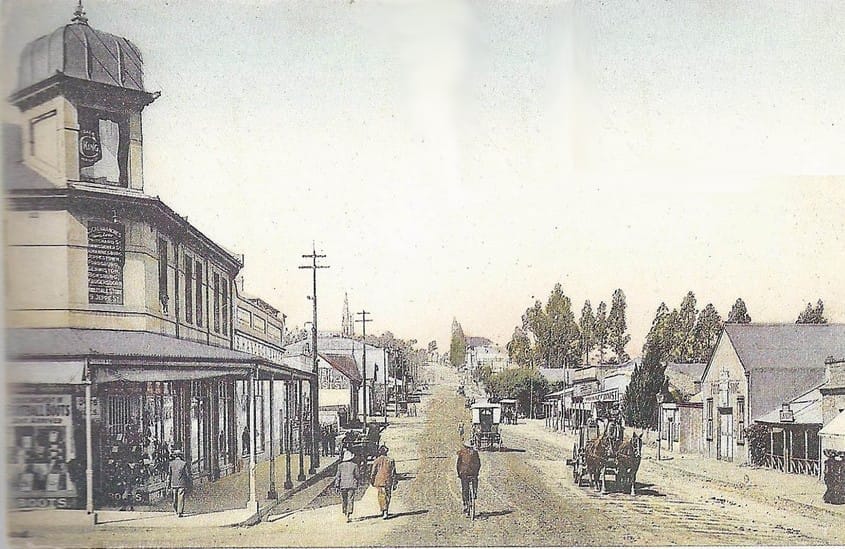
Johannesburg grew rapidly after the discovery of gold on the Witwatersrand.
That discovery shaped land ownership, labour migration, industrial development, racial policy, urban planning, wealth, poverty, and political power. The city became a place where South Africa’s economic ambitions and social divisions developed side by side.
This tour connects sites, streets, buildings, and neighbourhoods into a broader historical narrative.
What the Tour Explores
The tour may include themes such as:
The discovery of gold and the growth of Johannesburg
What this page explores

Mining capital, labour, and migrant systems
Segregation and urban planning
Early settlement and city development
Resistance, protest, and political organisation
Inner-city change and memory
Johannesburg’s role in apartheid and democratic South Africa
The route depends on time, access, guest interests, and the wider structure of the day.
Route and interpretation

Gold, Labour, and the Making of the City
Gold transformed Johannesburg from a mining camp into South Africa’s economic centre.
The tour explains how mining shaped labour systems, transport, settlement, wealth, inequality, and the city’s physical layout. This history remains visible in Johannesburg’s landscape, even where the mines themselves are no longer obvious to visitors.
Specialised Mining Tours South Africa
Segregation, Apartheid, and Urban Space
Johannesburg’s historical development cannot be separated from segregation and apartheid planning.
Residential separation, forced removals, labour control, township creation, transport routes, and economic exclusion all shaped the city. Understanding these forces is essential to understanding both historical Johannesburg and Johannesburg today.
Historical Johannesburg and Wider South Africa
Johannesburg’s history connects directly to the wider South African story.
Practical planning notes

The city links mining wealth, British imperial interests, labour migration, the South African War, industrialisation, apartheid, resistance, urbanisation, and democratic transition. This makes Johannesburg one of the most important places to begin a historical understanding of the country.
Combining Johannesburg Historical Touring
A Johannesburg Historical Tour can stand alone or form part of a broader private itinerary.
It combines well with the Apartheid Museum, Constitution Hill, Gandhi-related sites, Soweto Historical Tour, mining heritage, social development, or a short layover tour where timing allows.
→ [Apartheid Museum Tour]→ [Constitution Hill Tour]→ [Gandhi Johannesburg Tour]→ [Private Layover Tours]
Planning a Johannesburg Historical Tour
This tour is private and structured around your available time, interests, access, and preferred level of historical depth.
It is suitable for travellers interested in gold mining, urban history, segregation, apartheid, labour, political change, Johannesburg’s development, and the forces that shaped modern South Africa.
For guests wanting to extend the city story into Soweto, see Ekala’s private Soweto tour.
If your visit is limited by a flight connection, the same private guiding can be structured as a Johannesburg layover tour from OR Tambo.
Further detail

Plan a Private Johannesburg Tour
Send your date, collection point, available hours, number of guests and the themes that interest you most – history, culture, Soweto, contemporary Johannesburg, mining heritage or a broader city orientation.
Begin Planning
If you would like to understand Johannesburg through its history, we will help structure the right private tour around your interests and time available.
👉 [Request a tailored itinerary]👉 [Email us your dates and interests]
Historical context
The page provides deeper context for a private specialist itinerary.
Route logic
Final structure depends on geography, time, access and the visitor’s level of interest.
Planning
Ekala advises what is realistic before the itinerary is finalised.
Request a specialist private itinerary
Email us your dates, interests, collection point, drop-off point and any special requirements, and Ekala will advise what can realistically be structured.
Request a specialist itineraryView historical toursView battlefield toursView private tours