
Dark Tours
Memory, Trauma and Responsible Historical Tours
Dark tourism refers to travel to places associated with death, suffering, injustice, conflict, trauma, or human tragedy.
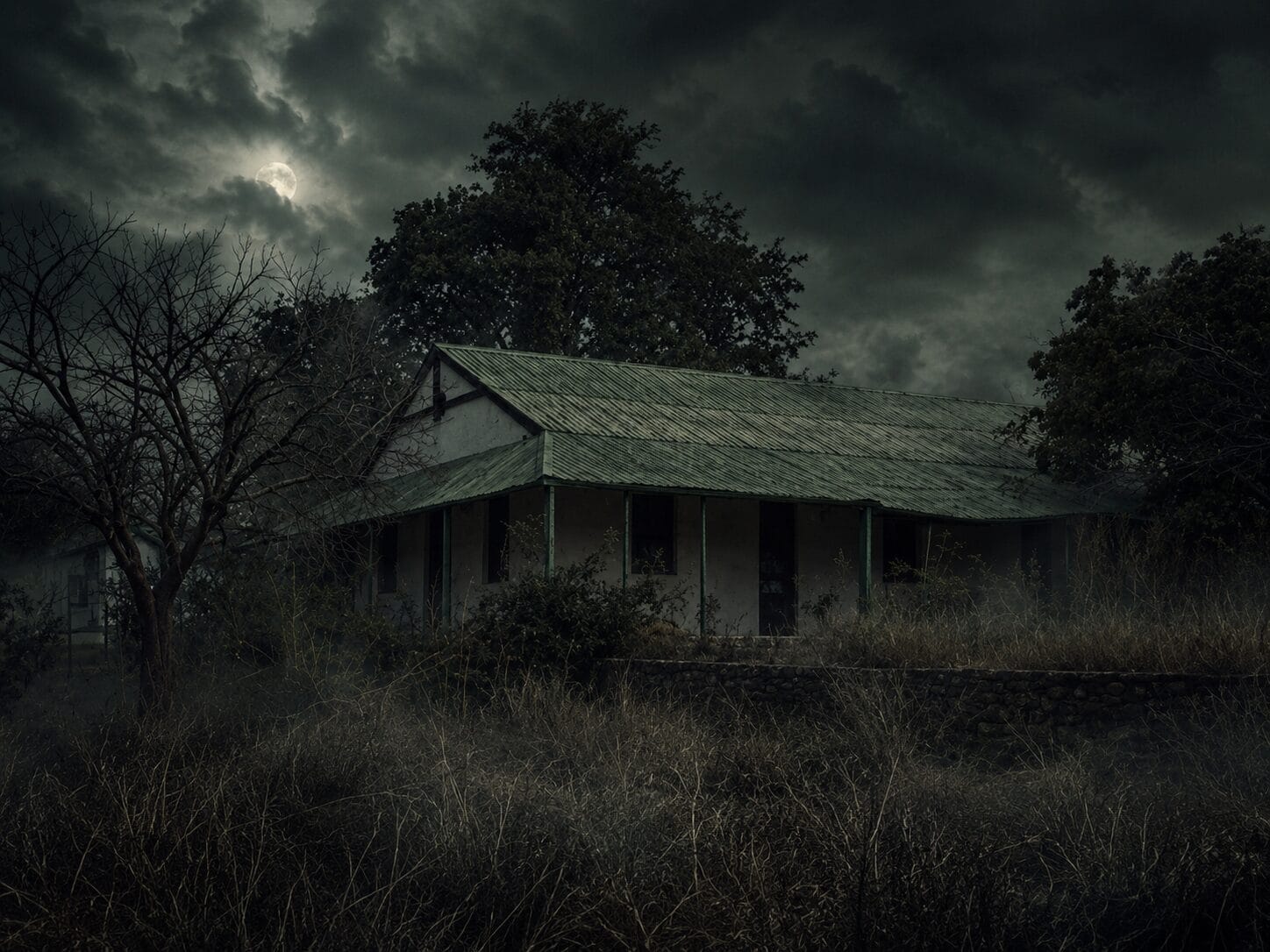

Dark Tourism in South Africa essentials
Historical context


In South Africa, this subject carries particular moral and educational weight. The country’s history of colonisation, industrial exploitation, segregation, apartheid, warfare, political repression, resistance, and inequality has left a dense landscape of difficult historical sites.
Ekala Eco Tours approaches dark tourism with care. These tours are not about shock, spectacle, or voyeurism. They are about remembrance, truth-telling, accountability, education, and understanding.
Dark Tourism in the South African Context
South Africa’s dark tourism landscape is unusually broad.
It includes apartheid prisons, police stations, interrogation sites, execution spaces, mining cemeteries, battlefields, concentration camp sites, townships, informal settlements, and places linked to state violence, forced removals, labour exploitation, and resistance.
These places help visitors understand not only what happened, but how systems of power were created, justified, resisted, and remembered.
Johannesburg, Power and Memory
Johannesburg is central to South Africa’s dark tourism geography.
As the city of gold, it was shaped by wealth, labour control, racial hierarchy, migrant labour, industrial danger, political resistance, and state repression. Its difficult history is visible in police buildings, mining landscapes, cemeteries, museums, townships, and urban spaces marked by inequality.
What this page explores


A Johannesburg dark tourism route must therefore be interpreted carefully and honestly.
Johannesburg Historical Tour Specialist Johannesburg Gold Mine Tours
John Vorster Square and Apartheid Repression
John Vorster Square, now Johannesburg Central Police Station, remains one of the most infamous symbols of apartheid-era repression.
During the apartheid years, detainees held there included activists, students, trade unionists, and others accused of resisting the state. Several deaths in detention were officially explained away as suicides or accidents, while later investigations exposed torture, cover-ups, and abuse.
This site raises difficult questions about state power, law, impunity, and memory.
The Apartheid Museum and Collective Memory
The Apartheid Museum is one of Johannesburg’s most important interpretive sites.
It places individual experiences of suffering within the wider system of apartheid law, racial classification, forced removals, detention, resistance, violence, and democratic transition. As part of a dark tourism route, the museum can serve as an anchor for understanding the scale and structure of apartheid.
Route and interpretation


Pretoria, Execution and National Power
Pretoria’s dark tourism landscape is linked to incarceration, execution, state authority, political memory, and national symbolism.
Sites connected to Pretoria Central Prison, the gallows, political imprisonment, government power, and memorialisation help explain how law, punishment, and authority functioned under earlier systems. They also show how memory has been reinterpreted in democratic South Africa.
Constitution Hill
Constitution Hill is one of South Africa’s most powerful dark tourism sites.
The Old Fort, Number Four Prison, Women’s Jail, and Constitutional Court together tell a story of imprisonment, racial segregation, political detention, brutality, and transformation. The site connects past injustice to the later creation of a rights-based constitutional democracy.
Practical planning notes

Mining, Exploitation and the Hidden Dead
South Africa’s mining wealth came at enormous human cost.
Gold and diamond mining relied on dangerous labour systems, racial control, compounds, migrant labour, disease, injury, and often poorly recorded deaths. Unmarked graves, mineworker cemeteries, abandoned workings, and informal mining all form part of this darker industrial legacy.
Dark tourism here is not about sensationalism. It is about acknowledging the human cost behind wealth.
→ [Specialised Mining Tours South Africa]→ [Cullinan Diamond Mine Tour]
Battlefields and Concentration Camps
South Africa’s battlefields are also dark tourism landscapes.
Sites connected to the Anglo-Zulu War, the South African War, and other conflicts are places of mass death, colonial conquest, military trauma, civilian suffering, and contested memory. South African War concentration camps add another deeply painful layer, especially in relation to civilian internment, disease, malnutrition, and long-term political consequences.
KwaZulu-Natal Battlefield Tours Magaliesberg Battlefield Tour The Boer War in KwaZulu-Natal
Further detail
Townships, Informality and Living Memory
Dark tourism in South Africa is not only historical.
Townships and informal settlements may reveal the continuing consequences of segregation, apartheid planning, poverty, overcrowding, and incomplete transformation. These places must never be treated as poverty spectacle. They require sensitivity, context, and respect for the people who live there.
Ekala approaches such visits through explanation, not exploitation.
→ [Alexandra Cultural Tour]→ [Soweto Historical Tour]
Ethical Dark Tourism
Responsible dark tourism must be handled with restraint.
Ekala’s approach is to educate without trivialising suffering, honour victims without exploiting tragedy, and encourage empathy rather than shock. Difficult sites are interpreted as places of memory, evidence, and reflection.
The purpose is not to make visitors uncomfortable for its own sake, but to help them understand how history continues to shape the present.
Historical context
The page provides deeper context for a private specialist itinerary.
Route logic
Final structure depends on geography, time, access and the visitor’s level of interest.
Planning
Ekala advises what is realistic before the itinerary is finalised.
Request a specialist private itinerary
Email us your dates, interests, collection point, drop-off point and any special requirements, and Ekala will advise what can realistically be structured.
Request a specialist itineraryView historical toursView battlefield toursView private tours