
Responsible Safari Ethics
Kruger and Pilanesberg Private Safaris
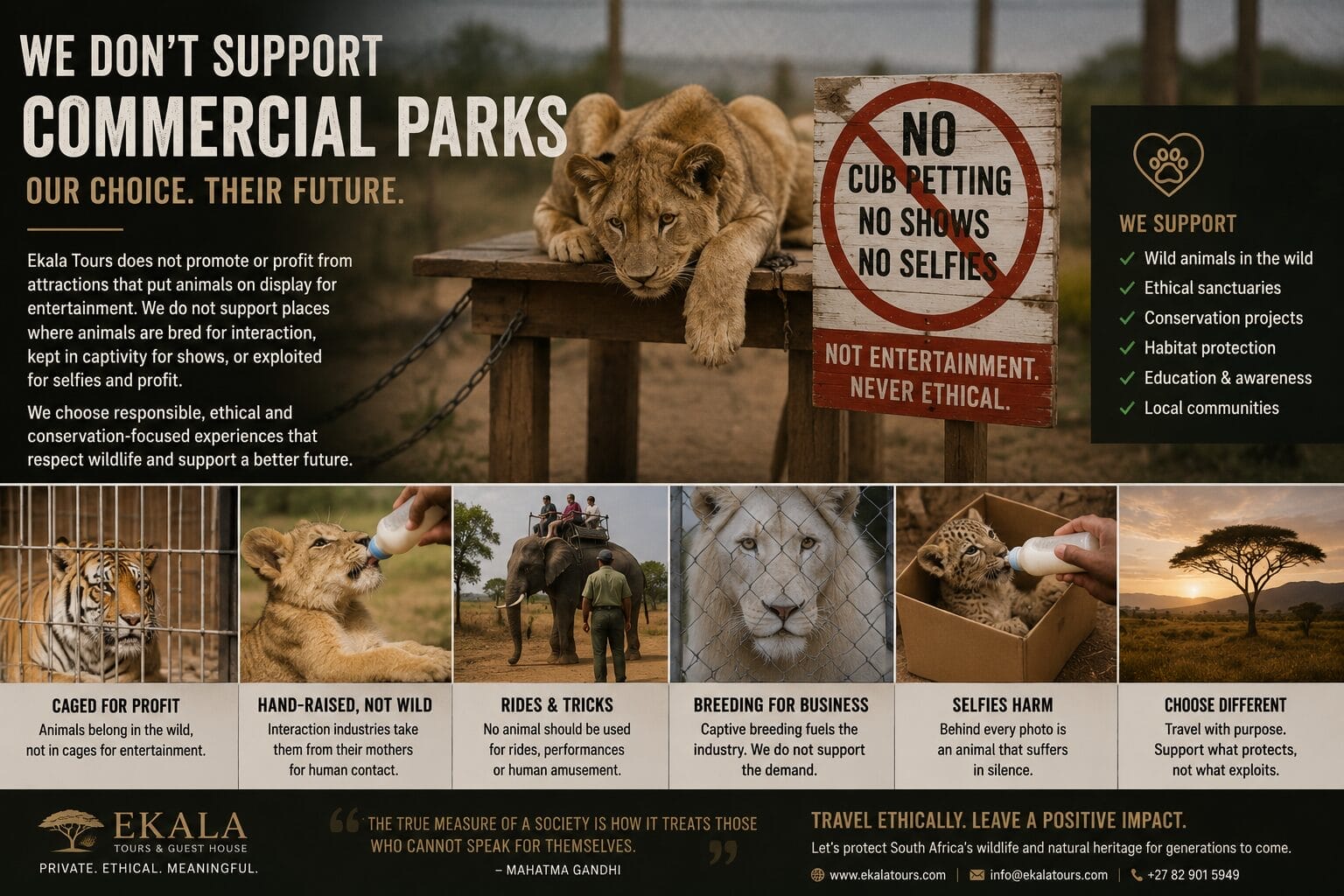
Ekala Eco Tours approaches private safaris in Kruger National Park and Pilanesberg National Park through a clear ethical framework.

Responsible Safari Ethics essentials
Context


Wildlife welfare, environmental integrity, conservation awareness, and responsible human behaviour remain central to every safari experience. Our aim is not to chase spectacle, but to help guests understand wild places with respect, patience, and care.
Respect for Wildlife Above All
Wildlife encounters must happen on nature’s terms.
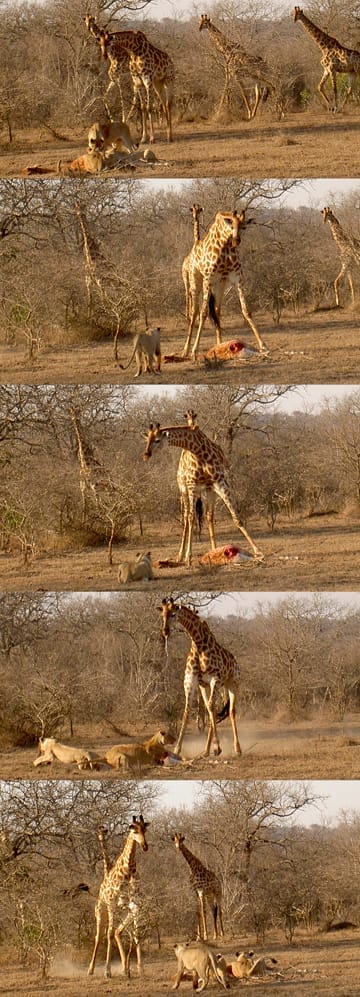
Ekala follows responsible viewing practices that prioritise animal wellbeing over proximity, excitement, or photographic pressure. This includes maintaining respectful distances, limiting time at sightings where appropriate, and avoiding behaviour that could cause stress, habituation, or disruption to natural behaviour.
No feeding, baiting, coercion, or animal interaction is supported under any circumstances.
Conservation-Led Guiding and Education
Education is central to every Ekala safari.
Our guides interpret ecosystems, species behaviour, habitat, conservation challenges, and the realities facing protected areas today. The purpose is to create understanding rather than entertainment alone.
A safari should leave guests with deeper appreciation for the complexity and fragility of natural environments.
What this page explores
Low-Impact, Environmentally Responsible Travel
Ekala is committed to minimising unnecessary environmental impact.
We favour safari operations and partners that demonstrate responsible water and energy use, sustainable waste management, appropriate infrastructure, ethical land use, and genuine conservation practice.
Luxury should not mean excess. It should be compatible with responsibility.
Private Safaris with Purpose
Because Ekala safaris are private, the experience can be managed with greater care.
Pace, timing, guest behaviour, discussion, and wildlife viewing can be handled deliberately, avoiding the pressures associated with mass tourism or rigid schedules. Private guiding also allows for quieter, less intrusive game viewing and more meaningful interpretation.
Privacy supports both comfort and ethical control.
Responsible Family and Child Participation
Families and children are welcome on Ekala safaris when the experience is structured appropriately.
How Ekala approaches this experience
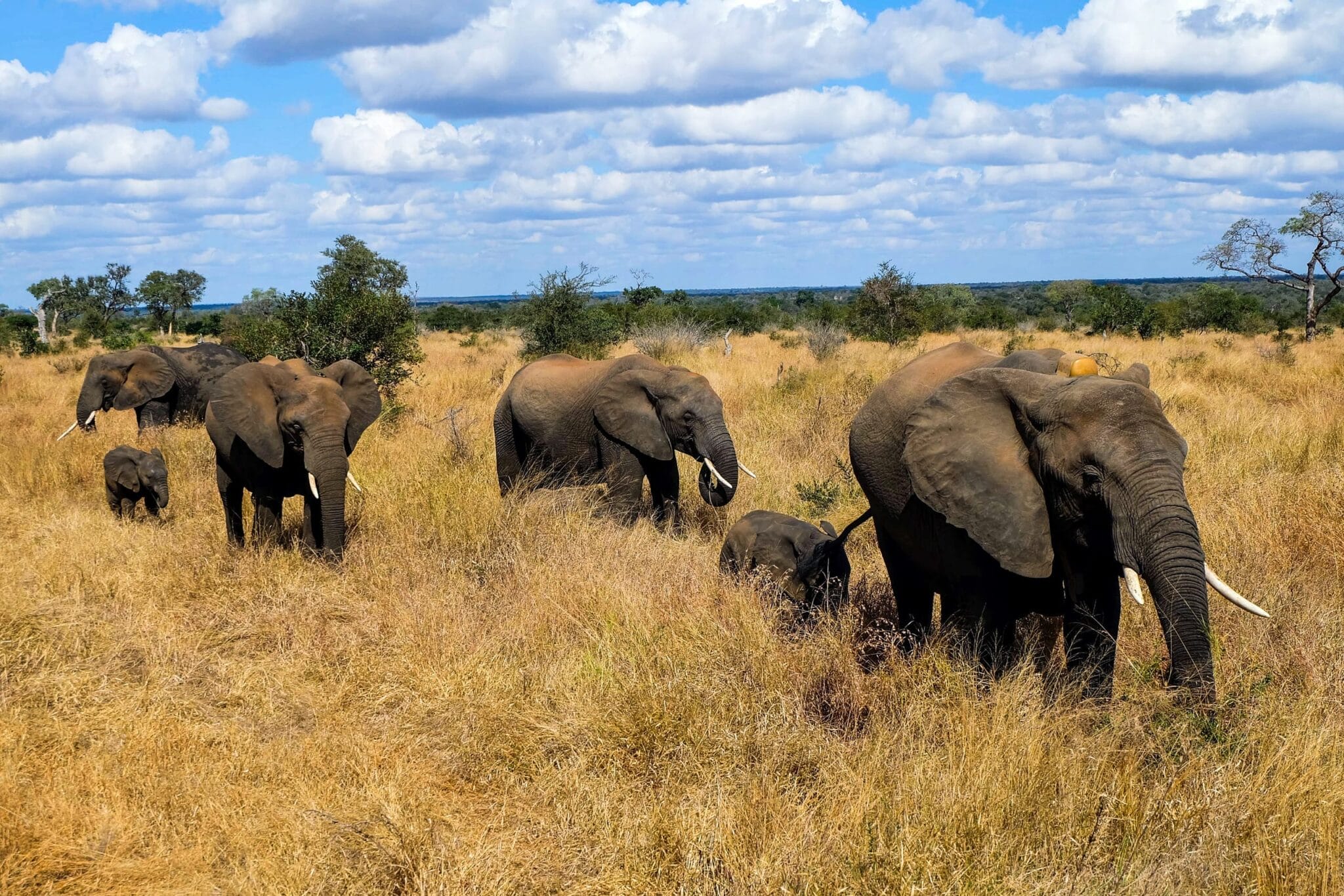

Young guests are encouraged to observe, learn, and understand rather than seek excitement or interaction. Guiding is adapted to age and interest while maintaining safety, respect for wildlife, and responsible behaviour at all times.
This approach helps nurture future conservation-minded travellers.
Child-Friendly Tours and Safaris
Supporting Protected Areas and Local Communities
Safaris in Kruger and Pilanesberg support protected area management and conservation-based tourism economies.
Where possible, Ekala works with locally rooted guides, lodges, and service providers who contribute positively to surrounding communities. Responsible safari travel should support both wildlife conservation and the people connected to these landscapes.
Private Kruger National Park Safari Private Pilanesberg Safari
Ethical Luxury and Authentic Experience
Ekala defines safari luxury through integrity, knowledge, privacy, and respect — not excess.
Practical planning notes

A truly meaningful safari leaves wildlife undisturbed, ecosystems intact, and guests enriched through understanding. The quality of the experience lies in careful guiding, ethical choices, and a deeper connection with place.
Begin Planning
If you would like a private Kruger or Pilanesberg safari guided by responsible wildlife ethics and conservation awareness, we will help structure the right experience around your interests, timing, and expectations.
What Ekala avoids
Experiences that compromise animal welfare, create misleading visitor encounters, or reduce ethical tourism to appearance.
What Ekala supports
Responsible operators, transparent conservation value, careful visitor behaviour and realistic interpretation.
How to ask
Send us the experience you are considering and we will advise whether it fits Ekala’s responsible travel position.
Ask Ekala to structure this properly
Email us your dates, interests, collection point, drop-off point and any special requirements, and we will advise what is realistic and responsible.
Ask about responsible optionsView ethical wildlifeResponsible tourismView private tours